
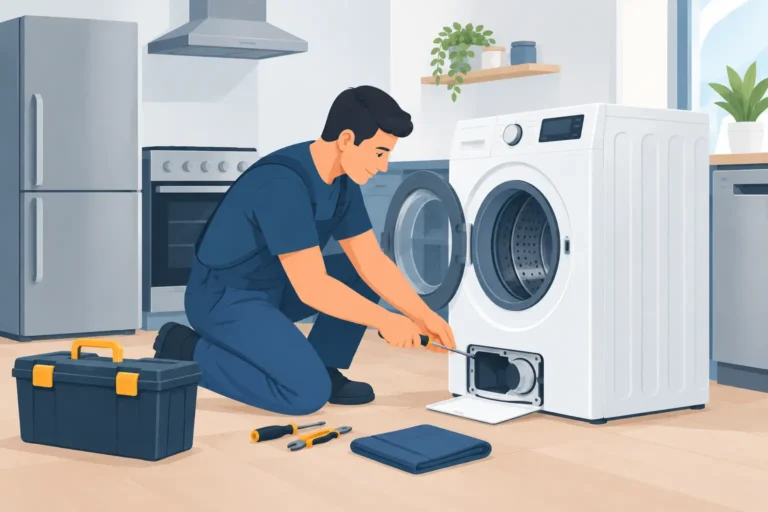
A refrigerator that suddenly feels warm or a washer that stops mid-cycle can make anyone want to grab a screwdriver. DIY appliance repair can be worthwhile for a few basic checks, especially when the fix is as simple as restoring power, clearing a clog, or resetting a tripped breaker. The key is knowing where a safe, sensible inspection ends and a repair that could damage your appliance, your home, or your safety begins.
For homeowners, renters, and property managers, that distinction can prevent a small interruption from becoming spoiled groceries, a flooded laundry room, or an appliance that costs more to repair than it should.
Start With the Simple Checks Before Taking Anything Apart
Many appliance service calls begin with an issue that looks serious but has a straightforward cause. Before removing panels or ordering parts, give the appliance a calm, basic inspection. Confirm that it has power, the outlet is working, and the household breaker has not tripped. If the appliance uses water, make sure the supply valves are open and the hoses are not kinked.
Look for information the appliance is already giving you. A blinking light, error code, unusual sound, or pattern in when the problem occurs can be useful. Write it down or take a photo of the display. The make, model number, and a clear description of what happened before the failure can save time if professional service is needed.
A reset may also help with certain electronic appliances. Unplug the unit or turn off its dedicated breaker for a few minutes, then restore power. This does not fix failed parts, but it can clear a temporary control issue. If the same code or symptom returns, avoid repeatedly resetting it. Recurring trouble is a sign that the appliance needs a closer diagnosis.
DIY Appliance Repair Tasks That Are Usually Reasonable
Safe DIY work is generally limited to cleaning, checking accessible connections, and replacing simple consumable items according to the manufacturer instructions. The appliance should always be unplugged before you clean or inspect it, unless a step specifically requires power and can be done without touching internal components.
For a refrigerator that is not cooling well, vacuuming dust and pet hair from accessible condenser areas can improve airflow. Check that food packages are not blocking interior vents and that the doors close fully. A worn or dirty door gasket may prevent a proper seal, but do not force, bend, or remove refrigeration lines. If the refrigerator is running constantly, has heavy frost, or is warm despite these checks, the cause may involve fans, defrost components, controls, or the sealed cooling system.
For a dishwasher with poor cleaning results, clean the filter, inspect the spray arms for blocked holes, and make sure the water supply valve is open. If standing water remains after a cycle, check the accessible filter area and the drain hose for an obvious kink. Do not use sharp objects to probe deeply into the drain system, and never run the dishwasher with parts removed unless the manufacturer specifically directs it.
With a washer, a loose load, an overloaded drum, or a clogged drain-pump filter can cause vibration, poor draining, or a cycle that will not finish. Leveling the machine and redistributing bulky items are reasonable first steps. If you open a drain-pump filter, have towels and a shallow pan ready because water may spill out. Stop if the washer has a burning smell, visible damaged wiring, or water leaking from underneath the cabinet.
A dryer that takes too long to dry often needs attention to the lint screen and vent path. Clean the lint filter after every load, and check the exterior vent flap for blockage. A restricted vent is more than an inconvenience – it can create a fire risk. If the dryer is still not heating, is making scraping or thumping sounds, or has a damaged power cord, leave internal repairs to a technician.
When DIY Appliance Repair Is Not Worth the Risk
Some appliance problems are not suitable for a home repair attempt, even for people who are comfortable with tools. Gas appliances, wall heaters, high-voltage electrical components, sealed refrigeration systems, and major water leaks all deserve professional attention.
Stop work immediately if you smell gas, see smoke, notice sparks, hear electrical buzzing, or find scorched wiring. Turn off the appliance if it is safe to do so. For a suspected gas leak, leave the area and follow your gas utility’s safety instructions. Do not test for leaks with a flame, and do not try to tighten or replace gas connections yourself.
Dryers, microwaves, ovens, and refrigerators can retain dangerous electrical charges or contain components that require specialized testing. A microwave, for example, should not be opened for internal repair. Refrigerator refrigerant systems require proper equipment and handling. Trying to repair these systems without the right training can turn a repairable appliance into a replacement decision.
Water deserves the same caution. A slow drip at a supply hose may be visible, but a leak inside a dishwasher, washer, or refrigerator can damage flooring, cabinets, and neighboring units before it is obvious. Shut off the water supply when possible and arrange service instead of running another cycle to see whether it gets worse.
Decide Based on the Appliance, Not Just the Part
A common mistake is assuming every failed appliance should either be fixed immediately or replaced immediately. The better answer depends on its age, condition, repair history, and the cost of the needed repair.
A newer appliance with a clear, isolated problem is often a good repair candidate. A well-maintained washer with a failed drain pump, for example, may have many years left. On the other hand, an older unit with repeated breakdowns, rust, major electronic failures, or an expensive sealed-system problem may not be the best place to keep investing money.
Consider the disruption, too. A refrigerator failure needs quick action because food loss adds to the cost. A landlord with a broken range or washer has tenant comfort and lease obligations to consider. A laundromat or commercial laundry operation may lose revenue every hour machines are down. In those situations, a fast, accurate diagnosis matters more than guessing at parts.
Give the Technician a Head Start
Calling for service is not giving up on the problem. It is often the most cost-conscious move once basic checks are exhausted. Before the appointment, have the appliance brand, model number, approximate age, and symptom ready. Mention error codes, leaks, unusual noises, and whether the appliance has recently been moved, installed, or exposed to a power outage.
Clear access also helps. Remove laundry from the washer or dryer, clear items away from the range, and make room near the refrigerator if possible. A technician can spend more time diagnosing the actual failure when the appliance is accessible and the symptoms are clearly described.
At Don’s Appliances, the goal is not to push a replacement when a practical repair makes sense. A good technician explains what failed, what the repair involves, and what the cost means for the life of your appliance. That kind of guidance helps homeowners protect their budgets and helps property managers keep residents and operations on track.
A Safer Way to Get Your Routine Back
There is real value in checking the power, cleaning a filter, or clearing a dryer vent before scheduling service. But appliances combine electricity, water, heat, moving parts, and, in some cases, gas. When the problem moves beyond an accessible, manufacturer-approved task, stop early and get a qualified diagnosis.
Your best next step is the one that protects your home, avoids repeat trouble, and gets the refrigerator cold, the laundry moving, or the kitchen working again without creating a bigger repair tomorrow.
