
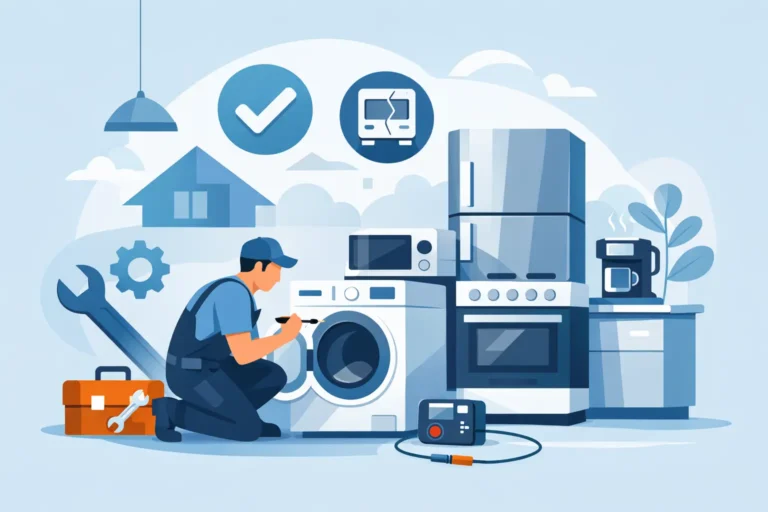
A refrigerator that is not keeping food cold can turn a normal afternoon into a race to save groceries. A washer that stops mid-cycle leaves clothes trapped and laundry piling up. When a major appliance fails, appliance repair is not just about a machine. It is about getting your home, rental unit, or business back on track without spending more than you need to.
The right next step depends on the appliance, the symptom, its age, and the cost of the likely repair. A strange noise may have a simple cause. A leak may need prompt attention before it damages flooring or cabinets. Knowing what to look for helps you act quickly and make a confident decision.
Start With the Problem You Can See
You do not need to diagnose an appliance yourself before scheduling service. In fact, taking apart a refrigerator, dryer, oven, or washer without the right training can create a bigger problem. But a few basic observations give a technician a useful starting point and can help prevent further damage.
Pay attention to when the issue began and what the appliance is doing differently. Is the refrigerator running constantly but still warm? Does the dishwasher leave standing water after a cycle? Does the dryer tumble but produce no heat? If an appliance displays an error code, write it down. Note unusual sounds, burning smells, water around the unit, and whether the problem happens every time or only during certain cycles.
For safety, stop using an appliance if you smell gas, see sparks, notice smoke, or find active leaking near electrical connections. Turn off the appliance if you can do so safely, keep the area clear, and arrange professional help. A wall heater that will not operate properly also deserves quick attention, especially when cooler weather makes a warm home more than a convenience.
Common Appliance Repair Problems and What They Mean
Some symptoms are more urgent than others, but none are easier because they disrupt a busy household. A professional diagnosis separates a worn part or installation issue from a more costly system failure.
Refrigerators and freezers
A refrigerator that is warm, excessively noisy, leaking, or building up heavy frost needs attention sooner rather than later. Food loss adds up quickly, and ignoring a cooling issue can put more strain on components. Sometimes the cause is as straightforward as a failed door seal, dirty condenser area, fan issue, or defrost problem. Other times, the repair involves the compressor or sealed cooling system, which calls for a closer cost comparison.
Washers and dryers
Washer problems often show up as leaking, failure to drain, shaking, an unresponsive control panel, or clothes that come out wetter than expected. Dryer concerns may include no heat, long drying times, squealing, or a drum that will not turn. Dryers also require special caution: restricted venting can reduce performance and become a fire risk. Do not keep running a dryer that smells hot or takes multiple cycles to dry a normal load.
Dishwashers, ovens, and stoves
A dishwasher that leaks, will not drain, or leaves dishes dirty can disrupt every meal at home. With ovens and ranges, uneven heating, ignition trouble, a broken door, or a display that will not respond can make cooking frustrating and unreliable. Gas appliance concerns should always be handled carefully. If you smell gas, leave the area and follow your gas provider’s emergency guidance before arranging appliance service.
When Appliance Repair Is Usually Worth It
Repair is often the smart choice when an appliance has been dependable, the issue is isolated, and the cost is reasonable compared with replacement. A quality appliance can have useful life left even after a pump, heating element, belt, valve, switch, seal, or control-related part fails.
Age matters, but it should not be the only deciding factor. A newer appliance with one repairable problem is usually worth fixing. An older appliance may still be a good candidate if it is well-built, has not needed repeated service, and the repair restores reliable operation at a sensible price. This is especially true when replacing it would also mean paying for delivery, installation, removal, and possible changes to cabinets, plumbing, electrical connections, or venting.
For landlords and property managers, a timely repair can also prevent a small maintenance request from becoming a tenant satisfaction issue. For laundromats and other commercial properties, every out-of-service coin-operated washer or dryer can mean lost income. In those settings, the speed and expected reliability of the repair often matter as much as the repair price.
When Replacement May Be the Better Call
There are situations where putting money into an appliance no longer makes practical sense. Repeated breakdowns, hard-to-find parts, major corrosion, a damaged cabinet or tub, and expensive sealed-system failures can all shift the answer toward replacement.
Replacement may also be reasonable when an appliance is near the end of its expected service life and needs a major repair. That does not mean every older appliance should be discarded. It means the recommendation should be based on the actual condition of your unit, the repair required, and what you need from it over the next several years.
A trustworthy technician should explain the issue in plain language, provide clear, honest pricing, and tell you when replacement is likely to serve you better. Pressure has no place in that conversation. The goal is a working appliance and a decision that respects your budget.
What a Professional Service Visit Should Feel Like
A good appliance repair visit begins with listening. The technician should ask what you have noticed, inspect the appliance, test the relevant components, and explain the findings without burying you in technical jargon. You deserve to know what failed, why it may have happened, what the repair involves, and what it will cost before work moves forward.
Respect matters, too. Appliance service happens in kitchens, laundry rooms, garages, rental homes, and occupied units. Friendly technicians who respect your home and schedule make a stressful interruption easier to manage. For property managers, clear communication helps coordinate access, keep tenants informed, and avoid unnecessary downtime.
At Don’s Appliances, that approach is backed by decades of Southern California service, practical guidance, and a one-year warranty on repairs. Whether the problem is a home refrigerator or commercial laundry equipment, the focus is on a careful diagnosis and a solution that makes sense for the customer.
A Few Safe Steps Before You Call
Before service, check the simple items that do not require disassembly. Confirm the appliance has power, verify that a tripped breaker has not cut electricity, and make sure water supply valves are open for washers and dishwashers. For a refrigerator, avoid packing food tightly against interior vents. For a dryer, clean the lint screen after every load.
These checks may solve a simple interruption, but do not force doors, panels, knobs, or hoses. Do not use a gas appliance if you suspect a leak, and do not keep resetting a breaker that repeatedly trips. Recurring electrical issues need professional evaluation.
When your essential appliance stops doing its job, prompt help protects more than the machine. It protects groceries, family routines, rental relationships, and the time you cannot afford to lose. A clear diagnosis gives you the information to choose a repair with confidence or move forward with replacement for the right reasons.
