
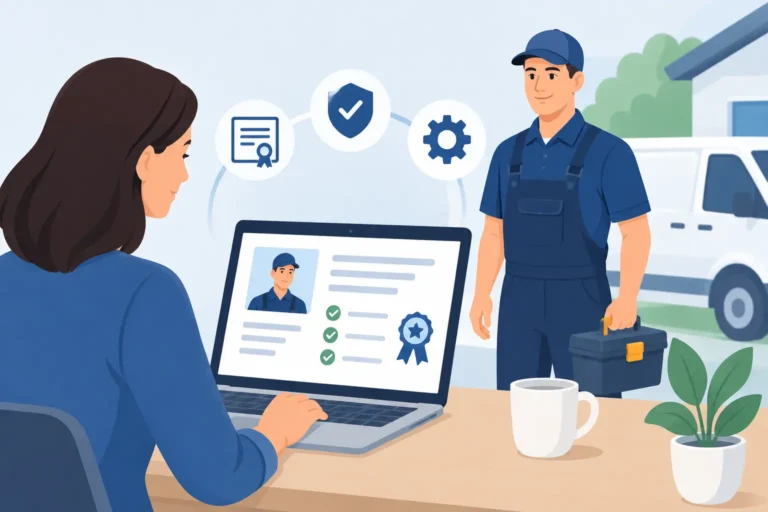
A refrigerator that stops cooling can put a week of groceries at risk. A washer leak can damage flooring before the next load is finished. When the problem is urgent, it is tempting to book the first available appointment. But taking a few minutes to check local technician qualifications can protect your home, your appliance, and your budget.
The right technician does more than arrive with a toolbox. They should be prepared to diagnose the actual cause of the issue, explain what they found in plain language, and give you an honest recommendation before work begins. That matters whether you are a homeowner with a noisy dryer, a landlord preparing a unit for a new tenant, or a laundromat operator facing out-of-service machines.
Why Local Technician Qualifications Matter
Appliances have become more complex, even when the problem seems simple. A refrigerator may have a sealed-system issue, a failed control board, a defrost problem, or a door seal that is letting warm air in. Replacing the wrong part wastes money and leaves the original problem unresolved.
Qualifications are not just a collection of certificates. They show up in the technician’s process: how carefully they inspect the appliance, whether they ask useful questions about the symptoms, and whether they test their diagnosis before recommending a repair. An experienced professional also knows when a repair is sensible and when replacement may be the more cost-conscious choice.
For property managers and commercial customers, that judgment has a larger effect. A fast but incorrect repair can mean repeat service calls, frustrated tenants, laundry revenue loss, and unnecessary downtime. A qualified local provider understands that getting equipment running is important, but getting it fixed correctly is what protects the operation.
Local Technician Qualifications to Look For
Appliance-specific training and hands-on experience
A technician should have practical experience with the type of appliance you need repaired. Refrigerators, ranges, dishwashers, washers, dryers, wall heaters, and coin-operated laundry machines each have different systems, common failure points, and safety concerns.
Ask whether the company regularly works on your appliance category and brand. A technician who is comfortable with residential washers may not automatically be the best fit for a commercial laundry machine, where heavy use and revenue-producing equipment create different service needs.
Training matters, but hands-on diagnostic experience matters just as much. The technician should be able to separate a minor issue, such as a clogged drain line, from a larger component failure without guessing. If they immediately recommend an expensive part without inspecting or testing, it is reasonable to ask more questions.
Proper licensing, insurance, and refrigerant credentials
Requirements can vary depending on the work being performed and the location. For certain repairs, installation work, electrical changes, gas connections, or larger projects, licensing and permits may be required. A reputable company should be straightforward about what applies to your job rather than making vague promises.
Insurance is equally practical. It helps protect both the customer and the business if an accident or property damage occurs during service. You do not need to become an expert in insurance paperwork, but you can ask whether the company is insured and expect a clear answer.
For refrigerator or freezer repairs involving refrigerant, technicians who handle refrigerants must have the appropriate EPA certification. This is a meaningful qualification, not a marketing detail. Refrigerant work requires specific handling practices for safety, environmental compliance, and the long-term performance of your cooling system.
A diagnostic process you can understand
Good service begins with listening. Before a technician opens the appliance, they should want to know when the issue started, what changed, whether there are error codes, and what you have observed. Those details often help narrow the diagnosis and can save time.
Once the appliance is inspected, you deserve a clear explanation. The best explanation is not packed with technical terms. It tells you what failed, what the repair involves, what it is likely to cost, and what could happen if you wait. If there are options, such as repairing a part versus replacing an aging appliance, the trade-offs should be explained honestly.
No one can promise that every appliance is worth repairing. Age, condition, part availability, and the cost of the repair all matter. A dependable technician will not pressure you into a repair that does not make financial sense simply because they can perform it.
Clear estimates before work begins
Price is important, but the lowest quote is not always the lowest total cost. An unusually cheap service call may lead to unclear labor charges, repeated visits, or parts that do not solve the issue. On the other hand, a higher estimate may be justified when a repair involves difficult access, specialized parts, or commercial equipment.
Look for a company that explains its service-call policy and provides an estimate before completing a repair whenever the diagnosis allows. Ask what the estimate includes, whether parts and labor are covered separately, and whether approval is needed before additional work is performed. Clear, honest pricing gives you the chance to make a decision without surprises.
Parts quality and a written warranty
A repair should be supported after the technician leaves. Ask whether the company offers a warranty on parts and labor, how long it lasts, and what it covers. A written warranty is especially valuable when an appliance has an intermittent problem that may not show up again immediately.
Warranty terms can differ by repair. A replaced component may be covered, while an unrelated failure later may not be. That is fair, as long as the terms are explained clearly. Be cautious of broad promises with no details or providers who will not put their warranty policy in writing.
Questions Worth Asking Before You Schedule
You do not need a technical background to screen a repair provider. A short conversation can reveal a lot about how the company operates. Consider asking about experience with your appliance type, whether the technician can service your make or model, and how estimates are handled after diagnosis.
If your appliance involves a gas line, wall heater, electrical issue, or refrigerator refrigerant, ask about the credentials that apply to that work. For a rental property or commercial laundry room, ask whether the company can coordinate access, communicate with management, and handle repeat-service needs without leaving you to chase updates.
Pay attention to the answers as well as the answers themselves. A trustworthy office should be respectful, direct, and willing to explain the next step. You should not feel rushed for asking how pricing, parts, or warranty coverage works.
Watch for Signs of a Poor Fit
Not every concern means a company is unqualified, but several warning signs together should make you pause. Be careful when a provider refuses to discuss insurance or warranty coverage, gives a firm repair price without examining the appliance, or pressures you to approve work immediately.
Another concern is a diagnosis based entirely on one symptom. For example, a dryer that will not heat could have a failed heating element, thermostat, fuse, wiring issue, or venting problem. A technician should verify the cause rather than treating every similar symptom with the same repair.
Availability is important when food is warming up or laundry is piling up, but speed should not replace care. A responsive local company can provide prompt scheduling while still allowing enough time for an accurate inspection and a conversation about your options.
What a Qualified Service Visit Should Feel Like
A professional visit should feel organized and respectful from start to finish. The technician arrives within the scheduled window, treats your home or property with care, and works through the problem methodically. You receive a plain-English diagnosis and know the expected cost before authorizing a repair.
For residents in Long Beach, Murrieta, Menifee, Temecula, and nearby communities, local experience also has real value. A team that has served the area for years understands the importance of showing up, communicating clearly, and protecting the relationships that keep a family-owned business in business.
At Don’s Appliances, the goal is not to make a complicated repair sound complicated. It is to help you understand what is wrong, what it will take to fix it, and whether the repair makes sense for your home, rental property, or business. When you choose a technician who can offer that level of clarity and accountability, an appliance problem becomes a manageable next step instead of an expensive unknown.
