
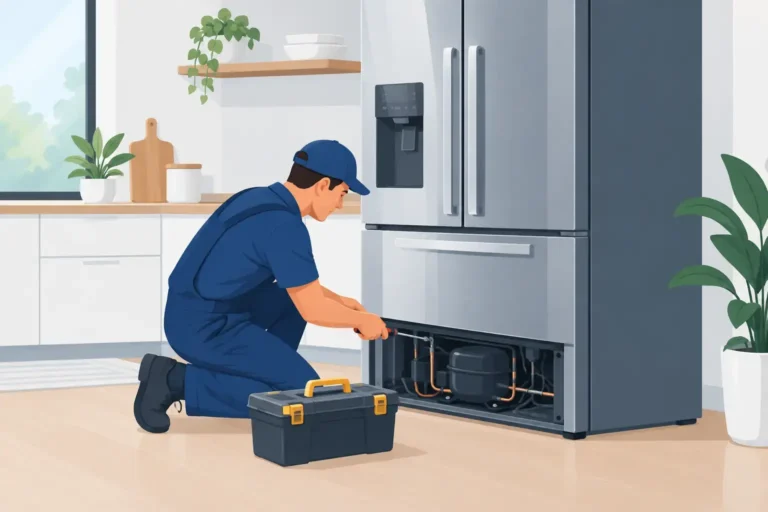
A refrigerator rarely quits at a convenient time. It happens when the week’s groceries are packed inside, guests are coming over, or a rental tenant is already frustrated. Prompt refrigerator repair can protect your food, prevent water damage, and keep a small issue from turning into a costly breakdown.
Some fridge problems have simple causes you can check safely. Others involve electrical components, sealed refrigerant systems, or parts that need professional testing. Knowing the difference helps you act quickly without risking your appliance, your home, or your food supply.
Start With Food Safety, Not the Diagnosis
If your refrigerator feels warm, move perishable food to a cooler with ice or another working refrigerator as soon as possible. Meat, dairy, leftovers, and other refrigerated foods should not sit above 40°F for long. If you are unsure how long food has been warm, it is usually better to be cautious than to take a chance.
Then check whether the freezer is still cold. A refrigerator compartment that is warm while the freezer remains cold often points to an airflow issue, such as frost buildup, a failed fan, or blocked vents. When both sections are warm, the issue may be more serious, including a compressor, start component, condenser, or control problem.
Avoid repeatedly opening the doors to check on the temperature. Each opening lets cold air out and makes the appliance work harder. Close the doors, protect the food, and begin with a few basic observations.
Common Refrigerator Problems and What They May Mean
The refrigerator is running but not cold enough
First, look at the temperature settings. A control can be bumped while loading groceries, especially in a crowded refrigerator. Make sure food containers are not blocking the interior air vents, and leave space around the back wall for air to circulate.
Next, check the condenser area if it is safely accessible. Dust, pet hair, and lint around the coils can prevent heat from escaping efficiently. A refrigerator may run longer than usual, struggle to cool, and use more energy as a result. Unplug the appliance before cleaning around accessible coils, and use a vacuum or soft brush carefully.
If the refrigerator is still warm after these checks, do not assume it just needs more time. A worn door gasket, faulty evaporator fan, defrost failure, sensor issue, or compressor-related problem may be involved. These are good reasons to schedule a professional diagnosis.
Water is leaking onto the floor
A puddle near the refrigerator deserves quick attention. Besides creating a slip hazard, ongoing water can damage flooring, cabinets, or the ceiling below in an upstairs unit.
Check for a loose or cracked water supply line if your refrigerator has an ice maker or water dispenser. Also look for an overfilled drip pan, a clogged defrost drain, or a door that is not sealing properly. Ice and frost can build up inside the appliance, then melt where it should not.
Turn off the water supply to the refrigerator if you see an active leak from the water line. If the source is unclear, place towels around the area and arrange service before the problem spreads. For property managers, fast action is especially important because a refrigerator leak can become both a maintenance issue and a tenant-relations issue.
The freezer is cold, but the fresh-food section is warm
This is one of the most common calls for refrigerator repair. Cold air is generally created in the freezer and circulated into the refrigerator section. When that airflow is blocked or interrupted, the freezer may seem normal while milk, produce, and leftovers begin to warm up.
A heavy frost layer on the freezer’s back interior panel can be a clue. It may indicate a defrost-system issue rather than a simple temperature adjustment. Do not chip ice away with a knife or sharp tool. You can puncture a panel, damage a coil, or create a much bigger repair.
The refrigerator is making unusual noises
Refrigerators make normal operating sounds: a hum from the compressor, a brief buzz when the ice maker fills, or a fan sound during cooling cycles. What is not normal is a new grinding, loud rattling, repeated clicking, squealing, or knocking sound.
A rattle may be as simple as an item vibrating against the cabinet or a refrigerator that is not level. Repeated clicking with no cooling, however, can point to a failed start component or compressor problem. A loud fan sound may mean ice is interfering with a fan blade. The sound matters, but so does whether the refrigerator is still maintaining a safe temperature.
Ice maker or water dispenser problems
If the ice maker stops producing ice, confirm the water supply valve is open and the freezer is cold enough. A freezer that is too warm cannot make ice reliably. Also check whether the ice bin is full or a cube is jamming the mechanism.
Dispenser and ice-maker issues can come from filters, inlet valves, water lines, switches, sensors, or the ice maker assembly itself. Since these systems combine water and electrical parts, professional service is often the safer, more efficient choice when basic checks do not solve the issue.
Safe Checks Before Scheduling Refrigerator Repair
There are a few homeowner-friendly checks that can save time and provide useful information to a technician. Check that the refrigerator is plugged in securely, that the circuit breaker has not tripped, and that the doors close fully. Wipe the door gaskets clean and look for tears, gaps, or areas that do not grip when the door closes.
Look behind and beneath the unit only if it can be done safely without straining, pinching a water line, or damaging your flooring. Note whether the appliance has power, whether the interior lights work, and whether either compartment is cooling. If there is a display panel, write down any error code before resetting or unplugging the refrigerator.
Do not remove sealed-system components, handle refrigerant lines, bypass safety switches, or attempt electrical repairs. Modern refrigerators use electronic controls and specialized components. A guess can turn a repairable problem into an avoidable replacement.
When a Professional Repair Is the Better Call
Call for service promptly if your refrigerator is not cooling, is leaking continuously, trips a breaker, has a burning smell, or is making repeated clicking or grinding noises. The same applies if food is spoiling, frost is building up heavily, or you see an error code you cannot clear through normal instructions.
A trained technician can test the appliance rather than replacing parts based on a hunch. That distinction matters. The symptom may look like a compressor failure but actually be a relay, fan motor, thermostat, defrost component, or control board. Clear diagnostics help you make a sound decision about repair costs.
For homeowners, the repair-versus-replacement choice depends on the refrigerator’s age, condition, brand, repair history, and the price of the needed part. A quality refrigerator with one isolated failure may be well worth repairing. If an older unit has repeated major problems or a costly sealed-system failure, replacement may be more practical. Honest guidance should account for your budget, not just the immediate service call.
Why Fast Service Matters for Rentals and Businesses
For landlords and property managers, a broken refrigerator is more than an inconvenience. It affects tenant comfort, can lead to food-loss complaints, and may require fast coordination around access and scheduling. Clear communication, an accurate diagnosis, and dependable follow-through protect both the property and the resident relationship.
For small businesses, employee breakroom refrigerators and commercial food-storage units can disrupt daily operations when they fail. Laundromats and multi-unit properties also benefit from working with a service provider that understands the urgency of equipment downtime. Don’s Appliances has served Southern California households and properties since 1983 with respectful in-home service, clear pricing, and practical recommendations.
Help Your Refrigerator Last Longer
A little maintenance can prevent some common cooling and leak issues. Keep interior vents clear, clean accessible condenser coils periodically, and replace water filters according to the appliance manufacturer’s schedule. Do not pack the refrigerator so tightly that air cannot circulate, and make sure the doors are closing against clean, undamaged gaskets.
If your refrigerator starts acting differently, trust the change. A new noise, a warmer shelf, condensation around the door, or an ice maker that suddenly slows down is worth addressing before it becomes a lost-grocery emergency. Acting early gives you more options, less stress, and a better chance of getting your kitchen back to normal quickly.
