
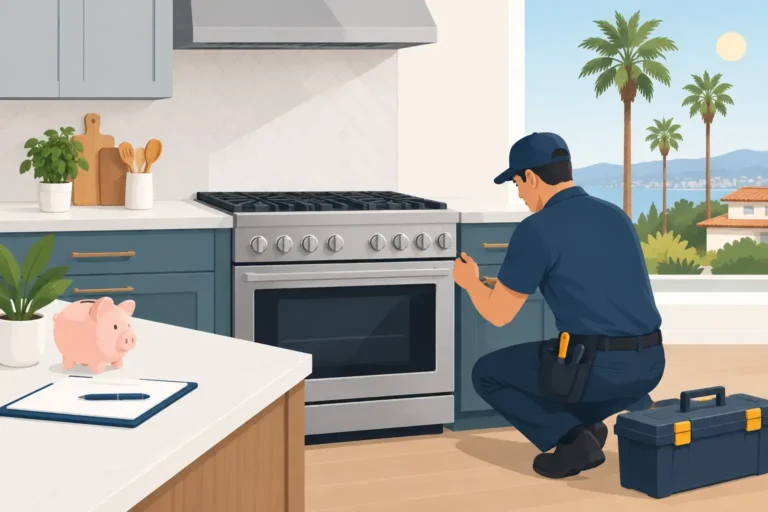
A new range can make a kitchen feel functional again – until the delivery team asks whether the gas line, outlet, and space are ready. This range installation cost guide explains what homeowners can expect to pay, why one installation may be simple while another requires additional work, and how to avoid surprise charges on installation day.
The appliance itself is only one part of the budget. A safe installation may involve disconnecting and removing the old range, fitting the new unit into the opening, connecting gas or electricity, testing the appliance, and correcting issues that were hidden behind the old stove. The goal is not simply to get the range turned on. It is to make sure your kitchen is safe for everyday meals, family routines, and years of reliable use.
Typical Range Installation Costs
For a straightforward replacement, professional range installation often falls in the $150 to $400 range. That generally applies when the new range uses the same fuel type as the old one, the existing connections are in good condition, and no modifications are needed.
Costs can rise to $500 to $1,500 or more when the job includes a new gas line, electrical circuit work, outlet replacement, cabinet changes, or a fuel conversion. Labor rates, permit requirements, access to the kitchen, and the age of the home all affect the final price.
A clear estimate should separate the basic installation from recommended repairs or upgrades. That way, you can see what is necessary to install the appliance safely and what is optional work that may improve the kitchen over time.
What a basic installation usually includes
A standard replacement typically includes positioning the range, leveling it, connecting it to an appropriate existing gas or electrical source, installing the anti-tip bracket, and testing key functions. For a gas range, the technician should check the connection for leaks. For an electric model, they should verify proper power and operation.
Removal of the old unit may be included or billed separately, often adding $50 to $150. Haul-away can be especially helpful if the old range is heavy, nonworking, or difficult to move through a narrow doorway.
Gas Range Installation Cost Factors
Gas ranges are popular because many cooks like the quick flame response and continued stovetop use during some power outages. Still, gas installation needs careful attention. A loose fitting or aging shutoff valve is not a small inconvenience – it is a safety issue.
If the gas shutoff valve is accessible, works properly, and is located where current requirements allow, installation is usually more straightforward. If the valve is corroded, buried behind the appliance, or difficult to reach, replacement or relocation may be needed. This can add roughly $150 to $500, depending on the work involved.
Installing a new gas line can cost several hundred dollars or more. The price depends on the distance from the supply line, whether walls or cabinets must be opened, and whether the existing gas system has enough capacity for the new appliance. Older homes sometimes reveal pipe conditions that need correction before a new range can be connected.
Never treat a gas smell as something to work around. If you smell gas, leave the area, avoid switches and open flames, and contact your gas utility or emergency services as appropriate. Schedule appliance service only after the immediate safety concern is addressed.
Electric Range Installation Cost Factors
Electric ranges need a dedicated high-voltage circuit and the correct outlet. A basic plug-in installation may be relatively affordable when the outlet and circuit already match the new appliance. But an outdated outlet, damaged cord, or incorrect circuit changes the scope of the job.
Replacing an outlet or range cord may add a modest amount to the total. Running a new 240-volt circuit, upgrading the electrical panel, or changing wiring behind the wall can add $400 to $1,500 or more. The final cost depends heavily on the electrical panel location, wire route, panel capacity, and local permit requirements.
Do not assume a range cord is included with a new electric range. Some manufacturers sell cords separately because homes may have different outlet configurations. The cord, outlet, and appliance connection must match correctly. Forcing a fit or using an adapter where it does not belong can create a fire or shock hazard.
Induction Range Installation: What Changes?
Induction ranges use electricity, not gas, but their power requirements can be more demanding than a standard electric range. They also need compatible magnetic cookware, which is a separate budget consideration for some households.
Before installation, check the manufacturer’s electrical specifications. Some induction models require a particular circuit size, and older kitchens may not have the capacity needed. If you are replacing a gas range with induction, your budget may include electrical work plus capping the existing gas connection safely.
The upside is a cooler cooking surface, fast heating, and easier cleanup. Whether it is worth the conversion cost depends on your cooking habits, the condition of your electrical service, and how long you plan to stay in the home.
Costs That Can Surprise Homeowners
The most frustrating installation problems are often not visible until the old range is pulled out. Grease buildup, damaged flooring, a missing anti-tip bracket, an unsafe outlet, or a gas valve that no longer shuts off properly can all delay the work.
Kitchen dimensions matter, too. Measure the width, depth, and height of the opening before buying. Include the clearance needed for doors, handles, nearby cabinets, and ventilation. A range that is technically 30 inches wide may still not sit correctly if the cabinet opening is out of square or the floor is uneven.
Ventilation can add another cost layer. A standard range replacement does not always require hood work, but a new range may make an old vent hood’s limitations more obvious. If you are moving the appliance, changing from electric to gas, or remodeling the kitchen, hood and duct changes may need to be considered separately.
For rental properties, these details affect more than the installation bill. A delayed range replacement can mean unhappy tenants, missed move-in dates, and additional coordination for property managers. Addressing the connection and clearance questions before delivery helps protect both the budget and the schedule.
How to Get an Accurate Range Installation Estimate
The best estimate starts with a few practical details: the new range’s model number, fuel type, dimensions, and installation instructions. Photos of the existing outlet or gas valve, the space behind the old appliance, and the electrical panel can also help a service professional identify likely issues before arriving.
Ask whether the quoted price includes disconnecting the old range, haul-away, a new cord or gas connector if needed, the anti-tip bracket, testing, and any required permit coordination. A low starting price is not always a poor deal, but you should understand what is included before scheduling.
It also helps to tell the technician about anything unusual: a tight condo kitchen, stairs, a recently remodeled cabinet opening, prior gas odors, flickering power, or a range that has been hardwired. Honest details upfront lead to fewer surprises and a safer result.
When Repair Makes More Sense Than Replacement
If your current range has a failed burner, igniter, heating element, control, or oven sensor, replacement may not be the only answer. A professional diagnosis can help you compare the repair cost with the price of a new appliance and installation.
Repair often makes sense when the range is otherwise in good condition and the needed part is available. Replacement may be the better choice when repairs are frequent, major components have failed, or the appliance has safety-related damage. Don’s Appliances has helped Southern California households make that decision with clear explanations rather than pressure.
A range installation is easiest when it is planned before the appliance arrives. Confirm the measurements, connection type, and condition of the gas or electrical supply, then choose qualified help for the work. A little preparation can keep dinner plans, household routines, and your installation budget on track.
