
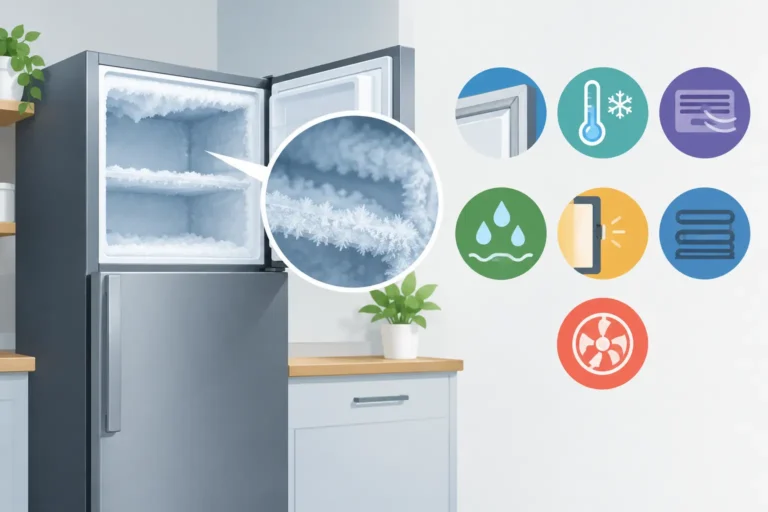
A thin layer of frost can seem harmless until freezer drawers stick, food packages disappear under ice, and the refrigerator starts struggling to stay cold. If you are asking what causes refrigerator frost, the short answer is moisture getting into the appliance and freezing where it should not. The more useful answer is figuring out why that moisture is getting in before a small nuisance turns into spoiled groceries or a costly breakdown.
Most frost problems are fixable. Sometimes the solution is as simple as closing a bag of frozen vegetables properly. Other times, the refrigerator needs a technician to diagnose a failing seal, defrost component, fan, or control.
What Causes Refrigerator Frost in the First Place?
Frost forms when warm, humid air enters the refrigerator or freezer. That air carries moisture. As it cools quickly, the moisture condenses and freezes onto cold interior surfaces, food packages, shelves, and vents.
Your refrigerator is designed to manage a small amount of moisture through its automatic defrost system. When too much humid air enters or the defrost system cannot keep up, ice begins to build. The location of the frost offers useful clues. Frost around the door often points to an air leak, while a thick sheet of ice on the freezer’s back wall can point to a defrost issue.
1. The Door Is Not Sealing Completely
A door that is slightly open lets humid kitchen air into the freezer all day long. It may be held open by an overfilled shelf, a large container, a warped drawer, or an item caught in the door gasket. Even a small gap is enough to create repeated frost buildup.
Take a look around the edge of the door and make sure food packages are not preventing it from closing. Then inspect the rubber gasket for crumbs, sticky spills, tears, cracks, or areas that have pulled away from the door. Wipe the gasket with warm, soapy water and dry it thoroughly. A dirty gasket may not grip the refrigerator frame as it should.
You can also try the paper test. Close the door on a strip of paper and gently pull it out. If it slides out easily in several places, the gasket may not be sealing well. A worn gasket is usually repairable, and replacing it can reduce frost and help the appliance run more efficiently.
2. The Refrigerator Is Packed Too Tightly
A full refrigerator is not necessarily a problem, but overcrowding can be. Food items pushed against the back wall or blocking interior air vents interfere with normal airflow. Cold air cannot circulate evenly, and the appliance may run longer than necessary.
In the freezer, leave some space around vents and avoid forcing large bags or boxes into drawers. In the refrigerator section, keep food from touching the rear wall, where moisture can freeze or collect. This is especially common after a big grocery trip, when packages are packed in quickly and the door is opened repeatedly.
3. Frequent Door Opening Brings in Humid Air
In Southern California, moisture can still be an issue, especially during warmer weather, after cooking, or in a busy household where the refrigerator gets opened constantly. Every time the door opens, warm room air enters. The appliance has to cool that air down, and its moisture can become frost.
This alone usually causes only light, temporary frost. But frequent opening combined with a weak door seal can create a much bigger problem. Try to decide what you need before opening the door, close it firmly, and let hot leftovers cool before placing them inside. Covering food also helps limit moisture released into the refrigerator compartment.
4. Food Was Put Away While Still Hot or Uncovered
Steam from hot soup, warm rice, or freshly cooked leftovers adds moisture to the refrigerator. If food is uncovered, that moisture continues to circulate after the door is closed. In many cases, you will notice droplets or frost near the back of the refrigerator compartment or around nearby containers.
Let food cool briefly on the counter, but do not leave perishable food out for extended periods. Divide large portions into shallow containers so they cool more quickly, then cover them before refrigerating. This simple habit can help reduce condensation without compromising food safety.
5. The Automatic Defrost System Is Failing
Modern frost-free refrigerators use a defrost system to melt normal ice accumulation from the evaporator coil. Depending on the model, that system may include a defrost heater, thermostat or sensor, timer, control board, and drain. If one of those parts fails, frost can keep building on the coil behind the freezer’s back panel.
This kind of problem often begins with uneven cooling. The freezer may still feel cold at first, but airflow into the refrigerator section becomes weak because the ice-covered coil blocks circulation. You may hear the fan working harder, notice food in the refrigerator getting warmer, or see heavy frost concentrated on the rear freezer wall.
A complete manual defrost may temporarily restore cooling, but it does not fix the failed part. If the frost returns soon afterward, a professional diagnosis is the practical next step. Replacing a single failed defrost component can be far more cost-effective than replacing an otherwise solid refrigerator.
6. A Blocked Defrost Drain Is Creating Ice
During the defrost cycle, melted water should travel through a drain tube to a pan beneath the appliance. If that drain becomes blocked by debris or frozen over, water can pool and refreeze. You may find a layer of ice on the freezer floor, ice beneath the lower drawer, or water leaking onto the kitchen floor when the ice melts.
A blocked drain is frustrating because it can look like several different problems at once. The refrigerator may still cool normally, but the ice keeps coming back. Avoid chipping at ice with a knife, screwdriver, or other sharp object. It is easy to puncture an interior liner or refrigerant line, turning a manageable repair into a major one.
7. A Damaged Door, Hinge, or Cabinet Is Letting Air In
Not every seal issue is caused by the gasket itself. A sagging door, loose hinge, bent door frame, or damaged cabinet edge can prevent the door from closing squarely. This is more likely after a refrigerator has been moved, a door has been heavily loaded, or the appliance is not level.
Check whether the door closes on its own from a few inches open. Look for an uneven gap around the perimeter and make sure the refrigerator is stable rather than rocking. Hinge adjustments are model-specific, so it is wise to have a technician assess the issue if the door appears misaligned.
What You Can Safely Do Before Calling for Refrigerator Repair
Start by moving perishable food to a cooler if temperatures are rising or the refrigerator is not staying cold. Then check the obvious causes: clear items from the door and vents, clean the gasket, make sure drawers are seated correctly, and confirm the door closes fully.
If frost is light and limited to a package or small area, monitor the appliance for a day or two after making those corrections. If there is heavy frost on the freezer wall, ice on the bottom of the freezer, water leaks, warm refrigerator temperatures, or frost that returns quickly after defrosting, schedule service rather than waiting. A refrigerator that runs continuously can use more energy and put your groceries at risk.
For rental properties, prompt attention matters even more. A frost-covered freezer can become a tenant complaint quickly, while a cooling failure can lead to food-loss claims and an unhappy resident. Addressing the cause early protects both the appliance and the relationship.
When Frost Means It Is Time for a Technician
Call for help when the problem is recurring, not just inconvenient. Heavy ice buildup, inconsistent temperatures, unusual fan noises, leaking water, or a refrigerator section that is warm while the freezer remains cold all suggest an issue beyond normal household moisture.
A trained technician can determine whether the problem is a gasket, drain, fan, defrost heater, sensor, control, or airflow issue without replacing parts based on guesswork. At Don’s Appliances, the goal is clear, honest guidance about the repair and whether it makes sense for your appliance and budget.
Frost is your refrigerator’s way of telling you something has changed. Deal with it early, keep the door sealing tight, and you can often prevent a small ice problem from becoming a week without reliable cold food storage.