
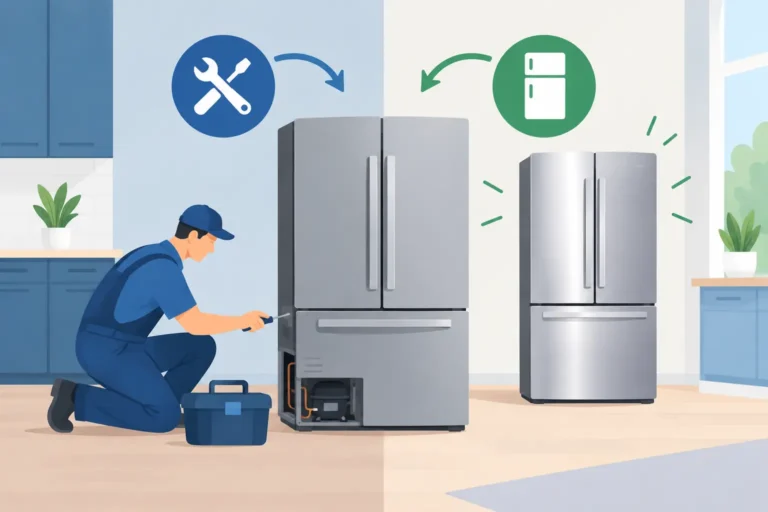
A refrigerator that quits on a Friday afternoon can turn a simple rental turn into a tenant emergency. Rental property appliances are not just amenities on a checklist. They affect food storage, laundry routines, move-in readiness, tenant satisfaction, and the amount of time a landlord or property manager spends putting out fires.
The goal is not to buy the most expensive appliance or replace every unit at the first complaint. It is to make practical decisions that keep properties operating, protect the budget, and give tenants a clear path when something goes wrong.
Start With Appliances That Match the Property
The right appliance package depends on the unit, the tenant profile, utility setup, and how often the property turns over. A compact washer may be a poor fit for a home marketed to families, while a large, feature-heavy refrigerator may not make financial sense in a basic apartment where replacement parts are costly and hard to source.
For most rentals, dependable mid-range models are a smart choice. Look for appliances with straightforward controls, commonly available parts, and service access that does not require removing cabinets or rebuilding a laundry closet. A unit with fewer specialty features can sometimes be the better long-term investment because it is easier to use, diagnose, and repair.
Consistency also matters when you manage multiple units. Using similar refrigerator, range, dishwasher, washer, or dryer models across a property can simplify maintenance. Your maintenance records are easier to follow, tenants receive familiar instructions, and replacement decisions are less complicated when a model is discontinued.
Before installation, confirm dimensions, electrical requirements, gas connections, venting, water lines, and drainage. A perfectly good appliance can become an expensive problem when it is forced into an unsuitable space. Dryers need proper venting, dishwashers need secure water connections, and refrigerators need enough clearance for airflow. Installation is where many preventable leaks, poor performance issues, and early failures begin.
Which Rental Property Appliances Need the Most Attention?
Every appliance can fail, but a few deserve closer monitoring because they create bigger disruptions or more expensive damage when ignored.
Refrigerators are usually the most urgent. A cooling problem can lead to spoiled groceries and a frustrated tenant within hours. Watch for reports of food freezing in the fresh-food section, warm temperatures, unusual clicking, excessive frost, water under the unit, or a freezer that works while the refrigerator compartment stays warm.
Washers and dishwashers deserve quick action because a small leak can damage flooring, cabinets, downstairs ceilings, and neighboring units. A tenant may only notice that the floor feels damp or that a cycle is taking longer than usual. Those details should not wait until the next routine visit.
Dryers affect tenant routines and can become a safety concern when lint buildup or vent restrictions prevent proper airflow. If clothes take more than one cycle to dry, the dryer feels unusually hot, or there is a burning smell, schedule service promptly. In shared laundry areas and laundromats, downtime also means lost revenue.
Ranges and ovens require careful attention because tenants rely on them daily. An oven that will not heat, a burner that stays on, a gas odor, or repeated tripped breakers calls for a professional evaluation. For a gas smell, tenants should avoid operating switches or appliances, leave the area, and follow the appropriate utility emergency guidance before arranging repair.
Repair or Replace? Use the Whole Picture
Age matters, but it should not make the decision by itself. A well-maintained appliance can often provide more useful service than expected, while a newer unit with a costly sealed-system or control-board failure may be a poor repair candidate.
Start with the diagnosis. Is the problem a worn door seal, clogged drain hose, faulty igniter, loose connection, damaged belt, or failed pump? Many common failures are repairable for far less than a replacement, especially when the appliance is otherwise in good condition.
Then consider the appliance’s service history. A single repair on a reliable refrigerator is different from the fourth service call in 18 months. Repeated breakdowns create more than repair bills. They take time from property staff, interrupt tenants, and can harm your reputation when a problem seems to return every few weeks.
Replacement usually becomes more sensible when repair costs are high compared with the cost of a suitable replacement, when parts are discontinued, or when the unit has recurring issues. Water damage, major rust, a compromised cabinet, and unsafe electrical or gas conditions can also change the answer quickly.
For income-producing properties, availability is part of the calculation. A repair may be less expensive, but a replacement that can be installed quickly could make more sense if the unit is vacant and waiting for a new tenant. On the other hand, replacing a repairable appliance in an occupied unit may cause unnecessary disruption. There is no one-size-fits-all rule, which is why a clear diagnosis and honest estimate matter.
Build a Maintenance Routine Around Real Risks
Preventive maintenance does not need to be complicated, but it should be consistent. The best time to inspect appliances is during turnover, when a vacant unit gives you full access and enough time to address small problems before the next resident moves in.
During turnover, check refrigerator temperatures, door seals, ice maker lines, and water filters. Run the dishwasher and inspect beneath the sink for moisture. Test every range burner and the oven. Run a washer through a cycle and look for leaks, vibration, or slow draining. Clean dryer lint screens and verify that exterior vents open properly while the dryer runs.
Keep simple records for each appliance: model number, serial number, purchase date, installation date, repairs completed, and recurring concerns. This information saves time during a service call and helps identify when a unit has become a repeat expense. It also gives property managers a clearer basis for planning future replacements instead of making rushed purchases during an emergency.
Tenants play an important role, too. Provide a short appliance care sheet at move-in. Explain how often to clean the dryer lint screen, what should not go down a dishwasher drain, why refrigerator vents should not be blocked, and who to contact when an appliance leaks or stops working. Clear instructions prevent misunderstandings without placing unreasonable repair responsibilities on the tenant.
Respond Quickly, Then Communicate Clearly
A fast response does not always mean an immediate replacement. It means acknowledging the report, asking the right questions, and setting a realistic next step. Request the appliance make and model if available, the exact symptoms, when the problem began, and whether there is leaking, smoke, unusual heat, or a loss of cooling.
Give tenants practical instructions while service is being arranged. For example, they may need to stop using a leaking washer, avoid running a dryer that smells hot, or move perishable food if a refrigerator is no longer cooling. Do not ask tenants to take apart appliances, reset gas connections, or troubleshoot electrical components beyond simple, safe checks.
Good communication also means explaining the plan after a diagnosis. Tell the tenant whether a part has been ordered, whether the appliance can be used safely in the meantime, and when the technician is expected to return. For landlords, clear repair-versus-replacement guidance helps avoid spending money based on incomplete information.
In Murrieta, Long Beach, Menifee, Temecula, and nearby communities, prompt local service can make a major difference when a rental appliance affects a resident’s daily routine. Don’s Appliances provides hands-on diagnostics, straightforward repair explanations, and practical recommendations for residential, property-management, and commercial laundry equipment.
Budget for Failures Before They Become Emergencies
Even well-maintained appliances eventually wear out. Set aside a realistic reserve for repairs and planned replacements, particularly for refrigerators, laundry equipment, and kitchen appliances that work hard every day. A reserve helps you make the right decision rather than choosing the cheapest immediate option under pressure.
When replacement is needed, prioritize reliable installation and removal of the old unit. Confirm that the new appliance fits the space, has the right hookups, and can be serviced locally. A low purchase price loses its appeal if the unit cannot be installed correctly or parts are difficult to obtain later.
A dependable rental is built through small decisions made before a tenant is inconvenienced: fixing the slow leak, cleaning the dryer vent, replacing a failing seal, and choosing serviceable equipment. Treat appliances as part of the property’s ongoing care, and they will cause fewer surprises for you and the people who call the unit home.
