
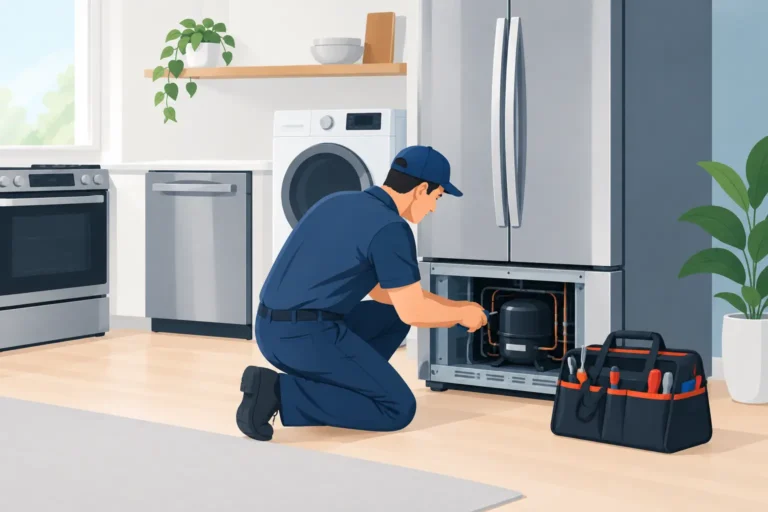
A refrigerator that stops cooling can turn a full grocery trip into a race against the clock. A washer that will not drain leaves laundry trapped inside, while an oven that will not heat can derail dinner and a busy week. When a major appliance quits, Frigidaire appliance repair is about more than fixing a machine. It is about getting your household, rental property, or business back to normal without spending more than necessary.
Before assuming the appliance needs to be replaced, take a breath and look at the symptoms. Many problems have a repairable cause, but the right next step depends on the appliance, its age, the condition of the unit, and whether there is a safety concern.
When Frigidaire Appliance Repair Should Not Wait
Some appliance problems can wait for a convenient service appointment. Others call for quick action to prevent food loss, water damage, fire risk, or further damage to the appliance.
A refrigerator or freezer that is warm, cycling constantly, making a loud new noise, or leaking water deserves attention right away. Move perishable food to another working refrigerator or a cooler if possible. Do not keep opening the doors to check on it, since that lets cold air escape even faster.
Water on the floor around a dishwasher, washer, or refrigerator also needs prompt attention. Shut off the water supply if you can do so safely, dry the area, and avoid running the appliance again until the source of the leak is identified. A small drip can damage flooring, cabinets, or the unit below in an apartment or condo.
For a range, oven, dryer, or wall heater, stop using the appliance if you smell burning, see sparks, notice a gas odor, or find a breaker repeatedly tripping. Do not try to work around those warning signs. Turn the appliance off and arrange professional service. If you smell gas, leave the area and follow your gas provider’s emergency instructions.
Start With the Safe, Simple Checks
A few basic checks can rule out an easy cause before scheduling a repair. They should never require taking panels apart, touching wiring, or bypassing a safety feature.
For any appliance, confirm that it has power. Check whether the plug is secure and whether a tripped breaker or GFCI outlet may have interrupted service. With refrigerators and freezers, make sure the temperature controls were not changed accidentally and that food packages are not blocking interior vents or preventing the doors from closing completely.
If a Frigidaire washer will not start, confirm the door or lid is fully closed and that the water valves are on. If it will not drain, look for a kinked drain hose. With a dishwasher, check that the control lock is not engaged and that the filter area is not packed with food debris. An oven that appears dead may have a clock or control setting issue, but repeated failures, error codes, or uneven heating point to a problem that needs diagnosis.
These checks are useful because they provide clear information for the technician. They are not a substitute for repair when the problem persists. Continuing to reset breakers, restart cycles, or force a door shut can turn a smaller issue into a more expensive one.
Common Problems by Appliance Type
Refrigerators and Freezers
Cooling trouble is one of the most urgent Frigidaire appliance repair calls. The cause may involve airflow, a defrost component, a fan, a thermostat, a compressor-related part, or a sealed-system issue. Frost building up on the freezer wall, a refrigerator section that is warm while the freezer stays cold, or a dispenser that stops working can help narrow down the diagnosis.
Ice maker problems are common, too. Sometimes the ice maker has been switched off or the water supply is restricted. Other times, a failed inlet valve, frozen fill tube, sensor, or internal component is involved. A technician can determine whether a targeted repair makes sense instead of replacing an entire refrigerator over one failed feature.
Washers and Dryers
A washer that will not spin, drain, fill, or unlock can stop the household quickly. Common symptoms include standing water in the tub, clothes that come out soaking wet, unusual banging, error codes, or a machine that stops mid-cycle. The issue could be as straightforward as a hose or filter blockage, or it may involve a pump, lid lock, belt, suspension part, motor, or control component.
With dryers, lack of heat is only one concern. Long dry times can signal a restricted vent, which should be addressed promptly for safety and efficiency. A dryer that squeals, thumps, or leaves marks on clothing may have worn internal parts. Do not ignore these symptoms just because the dryer still runs. Early service can help prevent a complete breakdown.
Ranges, Ovens, and Dishwashers
If a Frigidaire oven takes too long to preheat, cooks unevenly, or will not maintain temperature, the problem may be a heating element, igniter, sensor, relay, or control issue. Gas ranges require extra care. If a burner will not ignite or the flame looks unusual, do not attempt a DIY gas repair.
Dishwashers often give early warnings: dishes stay dirty, water remains at the bottom, the door leaks, or the unit makes grinding sounds. A clogged filter may be part of the issue, but drainage, pump, spray arm, latch, and water-inlet problems all require different repairs. Accurate diagnosis matters because replacing parts based on a guess can waste money.
Repair or Replace? Make the Decision With Real Information
Replacement is not always the automatic answer when an appliance fails. A well-maintained appliance with a clearly identified, reasonably priced repair may have years of useful service left. This is especially true when the issue is limited to a switch, valve, pump, belt, heating element, latch, or other serviceable component.
On the other hand, replacement may be the smarter choice when the appliance is near the end of its expected life, has repeated major failures, or needs an expensive repair that does not solve underlying wear. Refrigerator sealed-system problems, major control failures, and extensive corrosion can change the calculation.
The best decision also depends on your situation. A homeowner may decide to repair a dependable unit to avoid the cost and hassle of a new installation. A landlord may need the fastest reliable solution to protect tenant satisfaction. A laundromat or commercial property owner may weigh repair costs against downtime and lost income. There is no one-size-fits-all rule, which is why clear explanations and honest pricing matter.
What a Professional Service Visit Should Give You
A good repair visit should leave you with more than a bill and a working appliance. You should understand what failed, why it likely happened, what the repair involves, and whether there are practical alternatives. The technician should respect your home, protect the work area, and communicate clearly before moving forward with a repair.
For property managers and commercial laundry operators, that communication is especially valuable. A clear diagnosis helps with maintenance planning, tenant updates, approval decisions, and scheduling around occupied units. Fast attention to an appliance issue can prevent a minor inconvenience from becoming an angry tenant call or a revenue interruption.
At Don’s Appliances, friendly technicians focus on hands-on diagnostics and practical recommendations for customers throughout Southern California. The goal is not to push a replacement when a sensible repair will restore dependable service. It is to help you make a cost-conscious decision with the facts in front of you.
Help Your Appliance Last After the Repair
Once the appliance is working again, small habits can reduce avoidable trouble. Keep refrigerator door gaskets clean and make sure doors close fully. Do not overload washers or dryers. Clean dishwasher filters as recommended, and keep dryer lint screens clear after every load. For dryers, have the exterior venting checked if drying times increase or lint seems to collect around the machine.
Pay attention when the appliance starts behaving differently. A new noise, small leak, slow cycle, temperature change, or error code is easier to address before it becomes an emergency. If your Frigidaire appliance is interrupting meals, laundry, tenant comfort, or daily operations, timely service can protect both your routine and your budget.
