
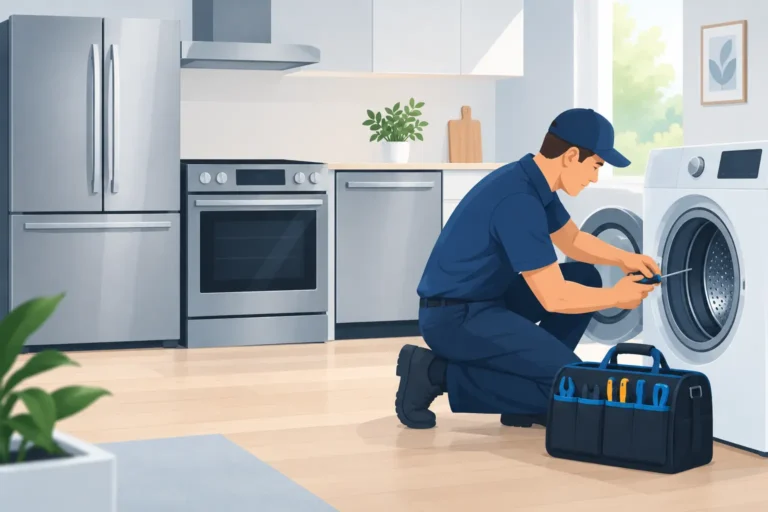
A Whirlpool refrigerator that stops cooling can put a week of groceries at risk. A washer that will not drain can leave a family staring at wet clothes and a growing laundry pile. That is why a useful Whirlpool appliance repair review should go beyond whether a technician was pleasant. It should help you understand the diagnosis, the likely repair, the cost, and whether fixing the appliance makes financial sense.
Whirlpool makes a wide range of dependable appliances, including refrigerators, ranges, ovens, dishwashers, washers, and dryers. Like every major brand, though, parts wear out. The best repair experience is not about promising that every problem will be cheap or easy. It is about getting a clear answer quickly and receiving honest guidance before you spend money.
What a Good Whirlpool Appliance Repair Review Should Cover
When you read reviews for appliance service, look for details rather than only star ratings. A short comment saying “great job” is encouraging, but a review that explains what went wrong and how the company handled it tells you much more.
A strong repair review often mentions whether the technician arrived within the scheduled window, listened to the symptoms, inspected the appliance carefully, and explained the issue in everyday language. Homeowners should not have to decode technical terms to learn why their dishwasher is leaking or why their dryer has no heat.
It should also address pricing. A reliable company explains diagnostic and repair costs before moving ahead whenever possible. Sometimes a technician cannot provide a final total until the appliance is opened up or a failed part is confirmed. That is reasonable. What matters is that you are not pressured into an unexpected repair without approval.
For rental homes, apartment communities, and laundry operations, reviews should also mention communication. Property managers need updates they can share with tenants, while laundromat owners need realistic timelines to limit out-of-service machines and lost income.
Common Whirlpool Problems and What They May Mean
The same symptom can have several causes, which is why guessing at a repair is rarely the best approach. Still, knowing the common patterns can help you describe the problem clearly when scheduling service.
Refrigerators that are warm, noisy, or leaking
A Whirlpool refrigerator that is warm while the freezer still seems cold may have an airflow, fan, defrost, or control issue. Frost buildup can restrict airflow, while a dirty condenser area can make the system work harder. Water on the floor may come from a clogged defrost drain, a loose water connection, or a problem around the ice maker.
If food is no longer staying cold, move perishable items to a safe location as soon as possible. Avoid repeatedly opening the doors while waiting for service. A technician can determine whether the problem is a repairable component or a more costly sealed-system issue.
Washers that will not spin or drain
A washer that finishes with standing water may have a drain pump problem, an obstruction, a lid-lock issue, or a control-related fault. A machine that will not spin can also be responding to an unbalanced load, but repeated spin failures deserve a professional inspection.
Do not force the door or keep restarting a cycle if the washer is leaking. Turn off the water supply if water is actively escaping. Catching a hose, pump, or seal problem early can help prevent flooring and cabinet damage.
Dryers that run but do not heat
When a Whirlpool dryer tumbles but clothes stay damp, the issue may involve a heating element, thermostat, thermal fuse, sensor, or power supply. Gas dryers have a different set of possible causes than electric models. Poor venting can also extend drying time and create a safety concern.
Clean the lint screen after every load, but do not assume lint is the only explanation for no heat. If drying takes multiple cycles or the outside of the dryer feels unusually hot, it is time to have both the appliance and venting situation evaluated.
Dishwashers that leak or leave dishes dirty
Leaking dishwashers can stem from a worn door gasket, a loose connection, a damaged hose, or a component inside the tub. Dishes that come out dirty may point to spray-arm blockage, water circulation trouble, a heating concern, or simply an installation issue affecting water flow.
A review worth trusting will mention whether the technician tested the dishwasher after the repair. With water-using appliances, confirming that the leak has stopped is part of doing the job right.
Ovens and ranges with heating issues
An oven that takes too long to preheat, displays an error code, or heats unevenly can disrupt more than dinner. Electric and gas cooking appliances use different ignition, heating, sensing, and control components, so accurate diagnosis matters. If you smell gas, leave the area, avoid flames or electrical switches, and contact the appropriate utility or emergency resource before arranging appliance repair.
Repair or Replace? The Answer Depends on the Failure
Many Whirlpool repairs are worthwhile, especially when the appliance has otherwise performed well and the problem is limited to a replaceable part. Pumps, valves, door latches, igniters, heating elements, gaskets, switches, and many electronic components can often be replaced for far less than buying a new appliance.
The decision becomes more complicated when an appliance is near the end of its expected service life, has multiple recurring failures, or needs a major repair with a high parts cost. Refrigeration sealed-system work, extensive rust or tub damage, and certain control-board failures may change the calculation.
Age is useful context, but it is not the only factor. Consider the appliance’s condition, repair history, replacement cost, delivery and installation expenses, and whether a new model would require cabinet, electrical, gas, or plumbing changes. For landlords and property managers, downtime and tenant impact are also part of the real cost.
A trustworthy technician will not automatically push replacement because it is easier. They should tell you what the repair involves, what it costs, and what they would consider if the appliance were in their own home or property.
What to Expect From a Professional Whirlpool Repair Visit
Before the appointment, have the model number ready if you can find it. It is usually located on a label inside the refrigerator, dishwasher, or washer, or around the oven or dryer door opening. The model number helps a service company identify common parts and prepare for the visit.
During the appointment, explain when the issue started, whether it is constant or intermittent, and what you have already noticed. Mention error codes, unusual sounds, leaks, burning smells, or recent power interruptions. Those details can save diagnostic time.
The technician should inspect the appliance, test relevant functions, and explain the findings before repair work begins. If a part must be ordered, ask about the expected timeline and whether the appliance can be safely used in the meantime. Clear answers are especially valuable when a refrigerator, washer, or income-producing laundry machine is out of service.
At Don’s Appliances, that practical approach means friendly technicians who respect your home and schedule, clear, honest pricing, and repair-versus-replacement guidance built around your budget. For customers in Long Beach, Murrieta, Menifee, and Temecula, local experience also helps when a broken appliance cannot wait.
Whirlpool Appliance Repair Review: Questions to Ask Before Approving Work
The right questions protect you from surprises without turning a service call into an interrogation. Ask what failed, why the technician believes that is the cause, and whether the repair includes parts and labor. If the repair is significant, ask whether the part is covered by a warranty and what happens if the same symptom returns.
You can also ask whether there are signs of another developing issue. A good technician will be candid without trying to sell unnecessary work. For example, they may point out a worn door seal or clogged dryer vent, but they should explain the risk and let you decide how to proceed.
For commercial laundry equipment, ask about the expected downtime, parts availability, and whether there is a temporary operating recommendation. A machine that is technically running but damaging clothing or creating a leak may need to be taken out of service until it is repaired.
Small Steps That Can Prevent Bigger Whirlpool Repairs
Routine care cannot prevent every breakdown, but it can reduce strain on appliances. Keep refrigerator door seals clean, do not overload washers, clean dryer lint filters consistently, use dishwasher detergent correctly, and address small leaks before they reach flooring or walls.
Most of all, pay attention to change. A new rattle, a longer dry time, a refrigerator that runs constantly, or an oven that suddenly cooks unevenly is often the appliance asking for attention. Scheduling a professional diagnosis early can be less stressful, less disruptive, and less expensive than waiting for a complete failure at the worst possible time.
