
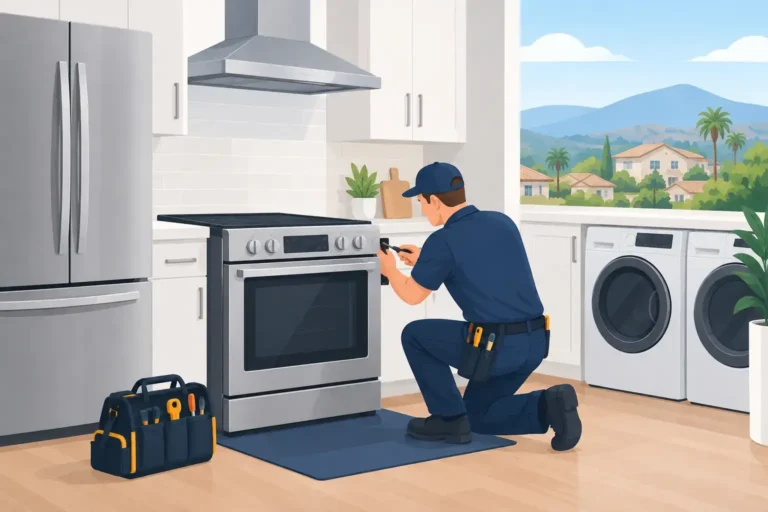
A new appliance should make life easier, not leave you staring at a leaking hose, tripped breaker, or oven that will not heat. This Murrieta appliance installation guide covers the practical checks that protect your home, your new appliance, and your schedule before installation day arrives.
Whether you are replacing a refrigerator before groceries spoil, installing a washer after the old one quit mid-load, or preparing several rental units between tenants, the details matter. A delivery team may place an appliance in the room, but correct installation is what makes it safe, reliable, and ready for daily use.
Start With the Space, Not the Appliance
Before choosing a model or scheduling installation, measure the opening where the appliance will sit. Measure width, height, and depth at more than one point. Older homes and remodeled kitchens can have uneven floors, trim, cabinets, or plumbing that reduces usable space.
Also measure the route from the entry to the installation location. A refrigerator that fits the kitchen opening may not clear the front door, hallway turn, or stair landing. Remove rugs, boxes, and small furniture before the appointment so technicians can move carefully without damaging floors or walls.
Do not forget door swing and ventilation. Refrigerator doors, oven doors, dishwasher doors, and washer lids need room to open fully. Refrigerators especially need the clearance specified by the manufacturer so heat can escape properly. Tight spacing can make a new refrigerator run harder than it should and shorten its working life.
For landlords and property managers, take these measurements before ordering replacement appliances for a unit. A standard-size appliance is not always a direct fit in an older property, and avoiding an exchange or return helps get the home ready for the next tenant sooner.
Check the Connections Before Delivery Day
The appliance has to match the home’s existing utility connections. This is where many installation problems begin.
An electric dryer, electric range, wall oven, dishwasher, and garbage disposal may need a dedicated electrical circuit with the correct outlet and voltage. A standard household outlet is not suitable for every appliance. If an outlet is damaged, loose, outdated, or located where the appliance cord cannot safely reach, have it evaluated before installation.
Gas ranges and gas dryers need an accessible, working gas supply with the proper shutoff valve. Never force a connection, reuse questionable fittings, or treat a gas smell as something to deal with later. Leave the area, avoid switches or open flames, and contact the gas utility or an appropriate professional right away.
Water-using appliances need equally close attention. A dishwasher, refrigerator with ice maker or water dispenser, washing machine, and some steam dryers require a sound water supply connection. Look for corroded valves, cracked supply lines, or a shutoff valve that no longer turns. Replacing worn hoses during installation is a small cost compared with repairing water damage to cabinets, flooring, or a downstairs ceiling.
Drainage matters too. A dishwasher drain must be routed correctly, and a washing machine drain needs the right standpipe arrangement and secure hose placement. Poor drainage can lead to backups, leaks, odors, and service calls that could have been prevented at the start.
Appliance Installation Checks That Save Trouble Later
Each appliance has its own needs, but a few installation checks apply almost everywhere. The appliance should sit level and stable, connections should not be pinched behind it, and every function should be tested before the job is considered complete.
Refrigerators
Let a refrigerator stand upright for the manufacturer-recommended period if it was transported on its side. This gives internal fluids time to settle. Once it is in place, make sure it is level enough for doors to close and seal correctly.
If it has an ice maker or dispenser, inspect the water line connection for even a slow drip. Pull the refrigerator out slightly after the first day of use and check again. A small leak behind the unit can go unnoticed until it damages the wall or floor.
Dishwashers
A dishwasher needs to be secured so it does not tip forward when the racks are loaded. It also needs a clean water connection, a properly routed drain hose, and a tested door seal. Run a short cycle while someone checks underneath the sink and around the base of the machine for leaks.
Do not assume an existing dishwasher connection is ready for a new model. Older valves, drain arrangements, and electrical connections may need attention, especially after years of use.
Washers and dryers
Remove all shipping bolts from a new washing machine before use. Leaving them in place can cause severe vibration and damage. Level the washer by adjusting its feet, then test it with a small load. A machine that walks across the floor or bangs during spin needs adjustment before it becomes a bigger issue.
For dryers, the vent path deserves as much attention as the electrical or gas connection. The vent should be properly connected, as short and direct as practical, and free of crushed sections. Lint buildup and restricted airflow can make drying take longer and create a serious fire risk. Avoid venting a dryer into a garage, attic, crawl space, or indoor area.
Ranges, ovens, and cooktops
Cooking appliances must sit level so pans heat evenly and oven racks remain stable. Confirm that the appliance is securely positioned and that required anti-tip protection is installed. This is especially important in homes with children or when a heavy oven door is opened.
After installation, test surface burners, oven heating, controls, lights, and ventilation. With a gas appliance, any odor of gas calls for immediate action, not another attempt to light the burner. A qualified installer can check the connection and make sure the appliance is operating as it should.
When DIY Installation Makes Sense – and When It Does Not
Some installations are reasonable for a handy homeowner when the appliance uses matching, accessible connections and the manufacturer’s instructions are followed exactly. For example, replacing a basic refrigerator with no water line or setting up a countertop appliance may be straightforward.
The trade-off changes when an installation involves gas, a new electrical circuit, hardwired wiring, cabinet modifications, water lines, drainage changes, wall mounting, or tight clearances. A mistake may not show up immediately. A loose connection can leak later, an improper dryer vent can restrict airflow, and an incorrectly secured range can create a household safety hazard.
Professional installation also makes sense when you want someone to test the appliance under real operating conditions. Running a dishwasher cycle, checking a refrigerator water connection, verifying dryer airflow, and confirming a washer drains properly can reveal issues before they disrupt the next day’s routine.
If you are a property manager, professional support can be especially practical. It gives you a clear record of the work, helps reduce repeat maintenance requests, and keeps unit turnover moving without asking tenants to troubleshoot a new appliance on their own.
Prepare Your Home for a Smooth Service Visit
A little preparation helps installation go faster and protects everyone involved. Clear the work area and a path to it. Move breakable items from nearby counters or shelves. Secure pets in another room, and make sure an adult who can answer questions about the appliance and connections is available.
If you are replacing an old appliance, empty it first. Remove food from refrigerators and freezers, dishes from dishwashers, and clothing from washers and dryers. If possible, shut off the appliance’s water or gas supply in advance only if you know where the correct valve is and it operates normally.
Keep the appliance manual, delivery paperwork, and any supplied parts nearby. Not every appliance includes every cord, hose, trim kit, or vent component required for a particular home. Checking this ahead of time prevents a last-minute delay.
A Better First Day With Your New Appliance
Once the appliance is installed, resist the urge to push it into heavy use without a quick check. Listen for unusual noises, watch for leaks, and confirm that doors, drawers, racks, and controls work as expected. Save your receipt, model number, and warranty information in an easy-to-find place.
For dependable help with residential appliances, rental properties, and laundry equipment, Don’s Appliances brings the same neighborly care to installation questions as it does to repairs. A careful setup now can spare you a flooded floor, a cold refrigerator, or a growing pile of laundry later – and that is a good start for any new appliance.
