
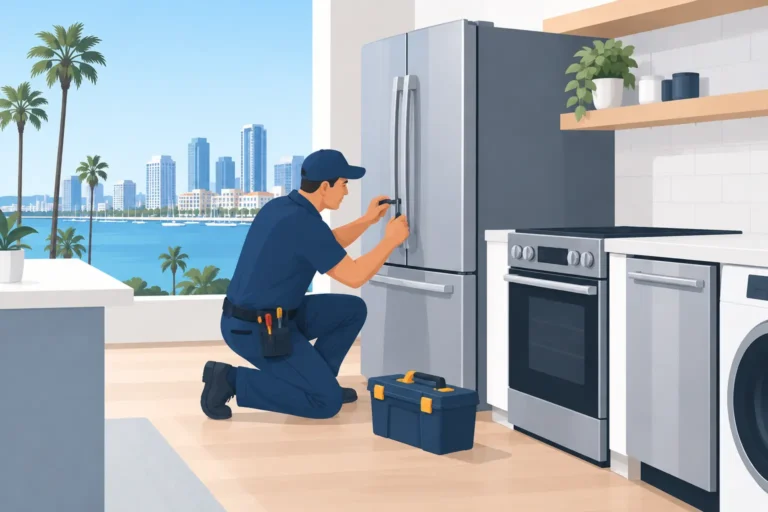
A new appliance should make life easier, not leave you staring at a water line, a loose power cord, or a washer that will not sit level. The best Long Beach appliance installers do more than get an appliance through the door. They make sure it fits the space, connects safely, and is ready for the first load of dishes, laundry, or groceries without creating a problem behind the wall or under the floor.
For homeowners, renters, landlords, and property managers, installation is often the difference between a quick upgrade and an expensive callback. A refrigerator with a poorly connected water line can leak slowly for days. An improperly leveled washer can shake hard enough to damage flooring. A gas range that is not connected and tested correctly is not a shortcut anyone should take.
What Makes an Appliance Installer Worth Hiring?
Appliance installation looks simple from the outside: remove the old unit, slide in the new one, plug it in, and move on. But the details vary greatly by appliance, home layout, and utility connection. A reliable installer starts by looking at the actual conditions in your home or rental unit instead of assuming every connection is ready to go.
That means checking clearances, cabinet openings, floor level, electrical outlets, water supply valves, drain connections, venting, and gas lines where applicable. It also means explaining what they find in plain language. If a shutoff valve is corroded, an outlet is in the wrong location, or a dryer vent is crushed behind the machine, you deserve to know before the installation moves forward.
The strongest local service providers also respect the home while they work. They protect floors when moving heavy appliances, take care around walls and cabinets, clean up the work area, and test the appliance before leaving. Those basics matter when you have just invested in a new kitchen or laundry appliance.
Best Long Beach Appliance Installers Know the Questions to Ask
The best Long Beach appliance installers are not necessarily the ones who promise the fastest possible installation with the fewest questions. Good questions prevent surprises. Before scheduling, a professional should want to know the appliance type, brand and model, whether it is replacing an existing unit, and whether any hookups need to be changed.
For example, a dishwasher installation may involve more than connecting water and a drain hose. The installer needs to confirm that the unit fits under the counter, the supply line is in good condition, the drain route is properly positioned, and the electrical connection meets the appliance requirements. A dishwasher that is tilted or poorly secured can leak, operate noisily, or fail to drain as intended.
With refrigerators, measure twice. Counter-depth and standard-depth models require different space planning, and door swing can be just as important as width. If the refrigerator has an ice maker or dispenser, the water line needs a secure connection. Proper airflow around the unit also helps it run efficiently and reduces the chance of early wear.
Laundry installations have their own concerns. Washers need stable, level placement and dependable hot and cold water connections. Dryers require the correct power supply or gas hookup, along with a safe vent path to the exterior. A dryer vent that is too long, pinched, or full of lint can reduce drying performance and create a serious safety concern.
The Installation Details That Protect Your Home
A professional installation should include more than a visual once-over. After connections are made, the appliance needs to be tested in a way that makes sense for its function. For a washer, that may mean checking fill, drain, and spin behavior while watching for leaks. For a refrigerator, it means checking door alignment, leveling, and water connections. For a range, it means confirming stable placement and proper operation of the appliance features.
There are situations where installation cannot safely proceed until another issue is corrected. An old water valve may not shut off completely. A damaged receptacle may need an electrician. A gas connection may require attention from a qualified professional before the new range can be installed. That can be frustrating when you are ready to use your new appliance, but an honest recommendation is better than forcing a connection that puts your property at risk.
This is especially valuable in older Long Beach homes and multi-unit properties, where appliance spaces and utility connections may have been modified over the years. What worked for the previous appliance may not be appropriate for the replacement model. A careful installer tells you what is compatible, what needs adjustment, and what can wait.
Clear Pricing Starts Before the Appointment
Installation pricing depends on the appliance and the condition of the existing setup. A straightforward replacement with working connections is different from an installation that requires new hoses, fittings, venting adjustments, or access to a difficult laundry closet. Be cautious with anyone who gives a flat promise without asking enough about the job.
Clear, honest pricing does not mean every installation has the same price. It means you understand what the visit covers and why additional work may be needed. Ask whether removal of the old appliance is included, whether new installation parts are provided, and whether there could be extra charges if existing hookups are unsafe or incompatible.
For rental owners and property managers, this conversation helps avoid preventable turnover delays. A vacant unit with a nonworking range, refrigerator, or washer-dryer setup can slow move-in and create frustration for incoming tenants. Scheduling qualified installation help early gives you time to address connection issues before they become an urgent same-day problem.
When Repair Should Come Before Replacement
Not every appliance that seems ready for replacement actually needs to be replaced. Sometimes a refrigerator has a failing water valve, a dryer has a worn component, or a dishwasher has a drain issue that can be repaired for far less than the cost of a new unit. Other times, replacement is the smarter choice because of age, repeat failures, efficiency concerns, or unavailable parts.
A service company that handles both repair and installation can offer practical guidance instead of steering every customer toward the same answer. At Don’s Appliances, that approach is part of treating customers like neighbors: explain the issue, discuss the likely cost, and help you decide what makes sense for your home, schedule, and budget.
If you do choose replacement, consider whether the new appliance will work with your current connections before delivery day. This is particularly important with wall ovens, built-in cooktops, stacked laundry units, and commercial or coin-operated laundry equipment. These jobs often need more planning than a standard freestanding appliance.
A Simple Checklist Before Installation Day
You can help an installation go smoothly by clearing a path from the entry to the appliance location and removing personal items from nearby counters, cabinets, or laundry shelves. Make sure the installer can access the water shutoff, electrical outlet, gas valve, or dryer vent area if needed.
Keep the appliance specifications available, especially if the unit has special electrical, water, or venting requirements. If you live in a condo, apartment, or managed property, check any building rules about delivery windows, elevator reservations, parking, or water shutoffs. A few minutes of preparation can prevent a rescheduled visit.
It also helps to be present for the final test whenever possible. Ask where the shutoff valves are, how to recognize a leak, and what basic maintenance will help the appliance last. For a dryer, that includes cleaning the lint filter after every load. For a refrigerator, it may include replacing water filters on schedule and keeping vents clear.
Choose Help That Respects Your Time and Property
A proper appliance installation is quiet reassurance. The refrigerator cools, the washer runs without walking across the room, the dishwasher drains, and the range is ready when dinner cannot wait. You should not be left wondering whether a small drip, strange vibration, or loose connection will become a larger repair next week.
Choose an installer who listens, checks the details, explains the work clearly, and treats your home or rental property with care. When an appliance affects your food, laundry, tenant satisfaction, or daily routine, dependable help is worth arranging before a small installation issue turns into a bigger interruption.
