
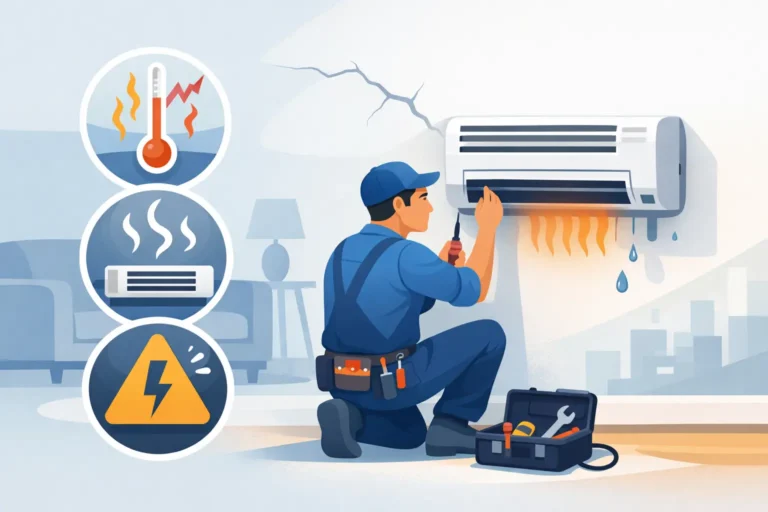
A wall heater that quits on a chilly morning changes the whole feel of a home fast. Whether it will not turn on, runs without producing enough heat, or makes you nervous every time it starts, timely wall heater repair can protect your comfort, your budget, and your peace of mind.
Wall heaters are compact, but the problem behind a no-heat call is not always simple. Some issues have an easy explanation, such as a tripped breaker or a thermostat setting. Others involve electrical connections, gas components, burners, or venting that should be inspected by a qualified technician. Knowing the difference helps you respond safely and avoid paying for a replacement before you know whether a repair makes better sense.
When a Wall Heater Problem Needs Attention
A heater rarely fails without giving some kind of warning. You may notice the room takes much longer to warm up, the unit cycles on and off too often, or the fan runs but the air never feels warm. These are signs that the heater is working harder than it should, which can lead to a complete failure if the cause is left unresolved.
Some warning signs call for prompt professional service. A gas smell, soot around the unit, unusual banging or popping, a pilot light that will not stay lit, or a carbon monoxide alarm should never be treated as a wait-and-see situation. Turn the heater off if it is safe to do so, leave the area if you smell gas or suspect fumes, and follow the appropriate emergency guidance from your gas utility or local authorities.
Electrical wall heaters also deserve caution. A burning odor that does not fade quickly after the first seasonal use, flickering lights when the heater turns on, a repeatedly tripped breaker, or a hot cover can point to an electrical problem. Do not keep resetting a breaker to force the unit to operate. Repeated trips are the system telling you something needs attention.
Common Reasons Wall Heaters Stop Heating
Wall heaters can be powered by gas or electricity, so the diagnosis depends on the type of unit in your home. A trained appliance technician begins with the basics, then checks the components that control ignition, airflow, heat production, and safe operation.
Thermostat and power issues
Before assuming the heater itself has failed, check that the thermostat is set to heat and set above the current room temperature. For an electric wall heater, the breaker may have tripped. For a gas model, the gas supply valve may have been turned off after prior service or a long period without use.
Those simple checks can occasionally solve the problem. If the heater still will not respond, the issue may be a worn thermostat, failed wiring connection, faulty control, or damaged heating element. These parts are not interchangeable from one model to another, so a proper diagnosis matters.
Ignition and pilot light failures
Older gas wall heaters may use a standing pilot light, while newer models often use an electronic ignition system. If the pilot will not light or will not stay lit, a dirty pilot assembly, worn thermocouple, flame sensor issue, or gas supply concern could be responsible.
It can be tempting to keep trying the ignition button, especially when the house is cold. Repeated attempts are not a solution if the unit does not light correctly. A technician can identify whether the problem is a serviceable component, a blocked burner area, or a condition that makes operating the heater unsafe.
Dirty burners, blocked airflow, and weak performance
Dust, pet hair, and debris build up over time. In an electric model, restricted airflow can cause overheating and limit heat output. In a gas unit, burner or venting concerns can affect how efficiently the heater operates.
A light dusty smell at the first use of the season can be normal as settled dust burns off. The smell should fade quickly. Persistent odors, visible soot, yellow or uneven flames, or poor heat output deserve a service call rather than more use.
Failed fans or noisy operation
Some wall heaters use a blower to move warm air into the room. A failing motor, loose fan blade, worn bearing, or buildup inside the unit can create rattling, scraping, squealing, or humming sounds. The heater may still produce heat, but weak airflow can leave rooms uncomfortable and put extra strain on the equipment.
Noises do not always mean replacement is necessary. A repair may involve cleaning, tightening, or replacing a specific worn part. The condition of the heater, availability of parts, and age of the unit all factor into the recommendation.
What You Can Safely Check Before Scheduling Wall Heater Repair
Homeowners and renters should not disassemble a wall heater or attempt to repair gas lines, burners, internal wiring, or safety controls. There are, however, a few safe observations that can help make the service visit more efficient.
Confirm the thermostat setting, check the electrical panel for a tripped breaker, and make sure nothing is blocking the front grille or airflow around the heater. If the unit has an accessible filter or manufacturer-approved exterior cleaning step, follow the owner’s manual. Keep furniture, curtains, laundry, and other combustible items well away from the heater.
It also helps to write down what happens when you try to use it. Does it fail to turn on at all? Does the fan run without heat? Does it shut down after a few minutes? Is there a smell, sound, or error light? Those details give the technician a stronger starting point and help pinpoint intermittent problems.
For a rental property, tenants should report heating concerns early and avoid tampering with the unit. Property managers can reduce repeat calls by documenting the heater’s symptoms, model information when available, and whether the issue affects one room or the full unit.
Repair or Replace? The Practical Decision
The best choice depends on the heater’s condition, not just its age. A newer unit with a failed thermostat, igniter, heating element, or blower component is often worth repairing. Repair can be especially practical when the unit has otherwise heated reliably and replacement would require changes to the wall opening, electrical setup, or gas connection.
Replacement may be the better value when a heater has repeated failures, major safety concerns, obsolete parts, severe corrosion, or repair costs that approach the price of a newer unit. An older heater that uses more energy, heats unevenly, or has been patched several times may cost more in disruption than it saves.
A good service recommendation should be clear about the trade-off. You deserve to know what failed, what the repair involves, what it will cost, and whether the unit is likely to need additional work soon. Clear, honest pricing makes it easier to decide without pressure.
Why Professional Service Protects Your Home
Wall heaters combine heat with electricity or gas, and both demand careful handling. Professional diagnosis is about more than getting warm air again. It includes checking for conditions that can affect safe operation, such as damaged wiring, overheating, unreliable ignition, burner performance, and ventilation concerns.
For homeowners in Long Beach, Murrieta, Menifee, Temecula, and nearby Southern California communities, a local technician also understands the value of responsive scheduling. A broken heater can affect a family’s sleep, an older resident’s comfort, or a tenant’s trust in a rental property. For landlords and property managers, quick action can help prevent a small maintenance issue from becoming an unhappy tenant situation or an avoidable vacancy expense.
Don’s Appliances approaches each call with hands-on diagnostics, respectful in-home service, and practical repair-versus-replacement guidance. When a repair is the sensible option, the goal is to restore dependable heat without adding unnecessary cost. Work is backed by a one-year warranty and a commitment to customer satisfaction.
If your wall heater is acting differently, do not wait for the next cold evening to see whether it gets worse. A clear diagnosis now can help keep your home comfortable, your property running smoothly, and your next heating decision simple.
