
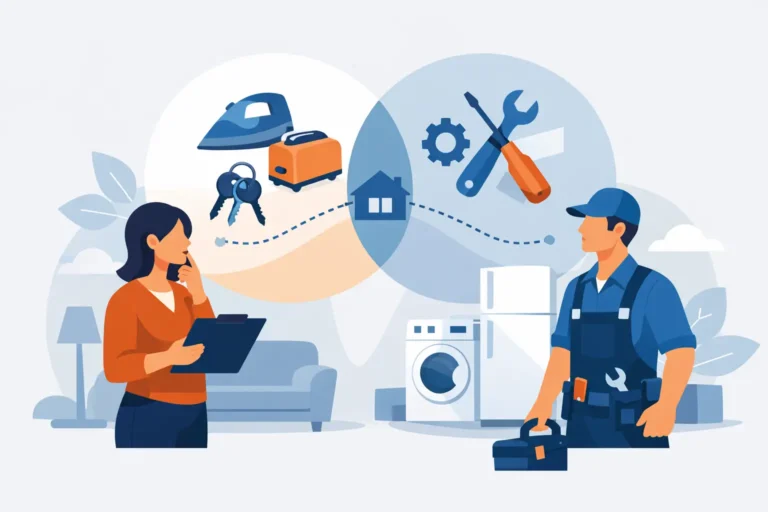
A refrigerator that stops cooling can spoil a week’s groceries. A washer leak can damage flooring before anyone gets home. In a rental home, rental appliance repair can also raise an immediate question: Is this the tenant’s responsibility, the landlord’s responsibility, or a job for a professional technician?
The answer depends on the appliance, the lease, and what caused the failure. What should not depend on guesswork is the next step. Fast reporting, clear communication, and an accurate diagnosis can help renters get back to normal and help property owners avoid a small appliance issue becoming a costly property problem.
Start With the Lease, Then Look at the Cause
In many Southern California rental agreements, appliances that came with the unit are the property owner’s responsibility to maintain. That often includes refrigerators, ranges, ovens, dishwashers, washers, dryers, and sometimes wall heaters. If the appliance fails through normal age or use, the landlord or property manager will generally arrange the repair.
There are exceptions. A tenant may be responsible when damage resulted from misuse, an accident, or a preventable issue that was ignored. For example, a dryer that overheats because its vent was never cleared may be different from a dryer with a worn heating element. A refrigerator door seal damaged by force is different from a compressor that simply fails after years of service.
The lease is the first place to check because it may identify which appliances are included and how maintenance requests should be submitted. Still, the lease cannot tell you whether a failed part, blocked drain, electrical problem, or installation issue is actually behind the symptom. That is where professional diagnosis matters.
A tenant’s first job is to report the problem promptly
Tenants should notify the landlord or property manager as soon as they notice a problem, especially when water, heat, gas, or food safety is involved. Waiting can make matters worse. A slow dishwasher leak can swell cabinets. A refrigerator running warm can lead to lost food. A wall heater that will not turn on can become a serious comfort and safety concern during cold weather.
A helpful maintenance request includes the appliance type, brand if visible, the model number if easy to find, and a plain-language description of what happened. Mention when the issue began, whether there are error codes, and whether the appliance is leaking, making unusual noises, tripping a breaker, or failing to heat or cool.
Photos or short videos can be useful for documenting a leak, standing water, an error message, or a damaged part. They do not replace an inspection, but they give the property manager a clearer starting point.
When a Rental Appliance Problem Needs Immediate Action
Not every appliance issue is an emergency, but some should be treated with urgency. If you smell gas, leave the area, avoid switches and open flames, and contact the appropriate emergency utility service. Do not try to locate or repair a gas leak yourself.
For active water leaks, turn off the appliance if it is safe to do so and avoid using it until it has been inspected. If water is spreading near outlets or electrical cords, keep clear of the area and report it immediately. A leaking washer, refrigerator water line, or dishwasher can cause more damage than the original repair if it continues running.
A refrigerator that is not cooling deserves prompt attention as well. Keep the door closed as much as possible to preserve cold air, move perishable food to another refrigerator or cooler when available, and let the owner or manager know right away. Repeatedly changing settings or unplugging the unit for long periods may complicate the diagnosis.
For owners and property managers, quick response is about more than keeping a tenant happy. It protects flooring, cabinets, walls, food-storage safety, and the reputation of the property. In occupied units, it also shows residents that their home and schedule are being treated with respect.
What a Professional Rental Appliance Repair Visit Should Include
A good service call is not just a technician arriving with a toolbox. It starts with listening to the reported symptoms and checking the appliance in the context of the home or unit. A washer may be leaking because of a failed hose, but it could also have a drainage or installation problem. An oven that will not heat may need an igniter, a heating element, or an electrical repair. The symptom alone does not always reveal the cause.
The technician should inspect the appliance, identify the likely issue, and explain the repair in understandable terms. Property owners need clear information to authorize work. Tenants deserve to know what will happen in their home and whether the appliance needs to remain off until parts arrive.
Clear, honest pricing is especially valuable for rental properties. Owners may be managing several units and balancing repair costs against replacement decisions. A reliable technician can explain whether a repair is sensible based on the appliance’s age, condition, part availability, and the cost of a comparable replacement.
For a newer, well-maintained appliance, repairing a specific failed component is often the practical choice. For an older unit with repeated breakdowns, rust, major electrical damage, or an expensive sealed-system failure, replacement may make more financial sense. It depends on the appliance and the overall condition, not simply on whether it still turns on.
Rental Appliance Repair for Property Managers
Property managers have a different set of pressures than an individual homeowner. A delayed repair can mean frustrated tenants, negative reviews, vacancy concerns, water damage claims, or a laundry room that is no longer producing income. The best approach is to have a consistent process before the next breakdown happens.
Keep a simple record for each unit: appliance brand, model, approximate age, installation date, past repairs, and any recurring complaints. This makes it easier to spot patterns. If the same dishwasher has needed three visits in a year, replacing it may be more cost-conscious than continuing to repair it. If several dryers are taking too long to dry, the issue may involve venting or shared laundry-room maintenance rather than multiple unrelated dryer failures.
Commercial and coin-operated laundry equipment deserve the same attention. An out-of-service washer or dryer affects residents and can cut into laundry revenue. These machines often operate harder than household units, so small warning signs such as unusual vibration, poor draining, long dry times, or payment-system issues should be addressed before the equipment goes down completely.
Scheduling also matters. Friendly technicians who respect the tenant’s home and arrival window make the experience easier for everyone. For managers, dependable communication means fewer follow-up calls and fewer surprises when a repair requires a part or a return visit.
Simple Steps That Help Avoid Damage and Disputes
Tenants do not need to become appliance experts, but a few habits help protect the unit. Use appliances as intended, avoid overloading washers and dryers, clean lint filters after each dryer load, and report unusual sounds, odors, leaks, or performance changes early. Never force a refrigerator door, dishwasher rack, oven knob, or washer lid that is not moving normally.
Property owners can reduce preventable calls by making sure appliances are installed correctly between tenancies, replacing worn hoses and door seals when needed, and checking dryer venting regularly. It also helps to tell tenants who to contact for maintenance and what to do after hours when a leak or no-cooling refrigerator cannot wait.
Most importantly, avoid turning a maintenance issue into an argument before the cause is known. A respectful inspection creates a fairer path forward for both sides. Normal wear should not be treated as tenant neglect, and clear evidence of damage should not be ignored.
Get the Right Help Before the Problem Grows
Rental appliances carry the daily routine of a home: cold food, clean clothes, working meals, and dependable heat. When one fails, the goal is not a complicated process. It is a timely diagnosis, a clear explanation, and a repair plan that respects the property, the tenant, and the budget.
For renters, report the issue early and follow the maintenance process in your lease. For landlords and property managers in Long Beach, Murrieta, Menifee, Temecula, and nearby communities, Don’s Appliances provides practical repair guidance for household appliances and commercial laundry equipment, backed by experienced service and a one-year warranty. Taking care of the problem promptly helps everyone get back to a home or property that works the way it should.
